Why your hotel isn't showing up on Google — and how to fix it
A missing or incomplete Google Business Profile is the most common culprit. Here's what's really holding your hotel back, and what to do about it.
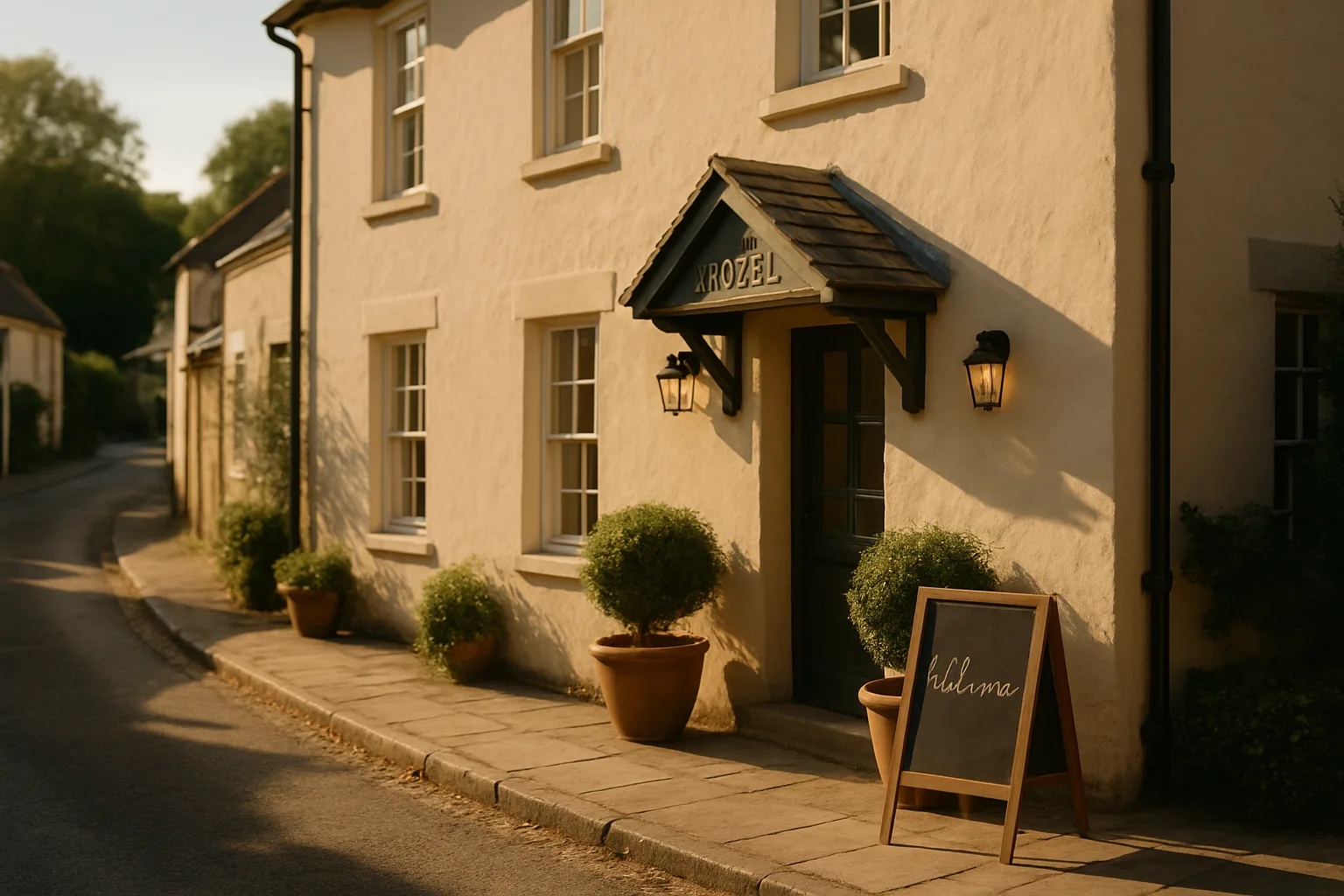
You search your own hotel on Google and it isn't there. Maybe a competitor's listing fills the screen, or a Booking.com page for your property shows up instead of yours. It's a frustrating moment — and a costly one, because every guest who can't find you on Google is a guest who books somewhere else.
The good news: this is almost never bad luck. It's a fixable combination of a few specific problems that affect small hotels and B&Bs more than any other business type.
The real reasons your hotel is invisible on Google — and what they cost you
The most common culprit is a Google Business Profile that is either unclaimed, unverified, or so thinly filled out that Google doesn't trust it enough to show it. Google's local search results — the map pack that appears at the top of searches like "hotel near me" or "B&B in [your town]" — are powered almost entirely by this profile. If yours is missing a category, has no photos, or lists a phone number that differs by even one digit from what's on your website, Google quietly deprioritises you.
Name, address, and phone number consistency matters more than most owners realise. Google cross-references your Business Profile against dozens of other sources: your website, TripAdvisor, Booking.com, local directories. When those signals contradict each other — an old address here, a slightly different trading name there — it introduces doubt into Google's systems, and doubt means lower visibility. This is sometimes called a NAP inconsistency, and it's genuinely one of the most common reasons a bed and breakfast goes missing from Google Maps local search without any obvious explanation.
Then there's the website itself. A slow, mobile-unfriendly site, or one with very little original content about your property, its location, and what makes a stay worth booking, sends thin signals to Google. Google's own guidance is clear: helpful, original content that a person would genuinely want to bookmark has more influence on visibility than almost any other single factor. A brochure-style site with five pages and no local context simply doesn't give Google enough to work with — especially compared to the OTA pages (Booking.com, Expedia) that are loaded with content, reviews, and links. Your own site needs to earn its place in those results, not just exist.
What actually needs to change — and how Domani fixes it
There are three layers to this problem, and they all need to work together.
Your Google Business Profile needs to be claimed, verified, and genuinely complete. That means the right primary category (typically "Hotel" or "Bed and Breakfast"), accurate check-in and check-out times, a price range, at least ten recent photos, a description written in plain language for guests rather than for an algorithm, and a phone number and address that match your website exactly. It also means actively collecting and responding to Google reviews — review signals are one of the clearest indicators to Google that your property is active and trusted.
Your website needs to do more than look nice. Google indexes the mobile version first, so if your site loads slowly on a phone or hides key content behind sliders and popups, that content may as well not exist. Structured data (schema markup) helps Google understand that your site represents a lodging business, making it eligible for richer search results — star ratings, check-in times, pricing — that increase click-through rates even before a guest lands on your page. And the content itself should reflect the questions real guests ask: What's nearby? What's included in the rate? Why book direct instead of through an OTA?
Local signals — citations, directory listings, and links from local sources — tell Google that your hotel is a real, established part of its community. A new or recently relocated property that has few of these signals will almost always rank below a competitor that has been consistently listed for years, even if the competitor's website is objectively worse.
Domani's approach is to tackle all three layers at once. We build hotel websites that are fast, mobile-first, and structured correctly from the start — not as an afterthought. Our 24/7 AI consultant, included in every project, can answer guest questions in real time and helps convert the visitors your improved visibility brings. And because we work on a fixed price with no commission on bookings, the economics of winning back direct guests are straightforward.
Why you can trust this to actually work
We are honest about one thing: SEO is not a guarantee. Google does not publish exact ranking formulas, and anyone who promises you "page one in 30 days" is selling you something they cannot deliver. What we can say — and stand behind — is that the issues described above are exactly what our free website analyzer checks for: profile completeness, mobile speed, structured data, NAP consistency, and content quality signals.
Our customers are real, live businesses — hotels, B&Bs, and guesthouses — not case studies assembled from anonymised data. Every website we build is GDPR-compliant, hosted professionally, and after 24 months it belongs to the customer outright. No lock-in. No ongoing percentage of your revenue. No surprises on the invoice. We fix the foundation; you keep the results.
The fastest way to see exactly what's blocking you
Rather than guessing which of these problems applies to your property, run your hotel website through Domani's free website analyzer. It checks your site against the signals that matter most for local hotel visibility — Google Business Profile alignment, page speed, mobile usability, structured data, and content gaps — and gives you a clear picture of what's holding you back. No commitment, no sales call required to see the result.
If the report shows things you'd rather have handled for you, we're here. But start with the facts about your own site, and go from there.

Frequently asked questions
- How do I get my hotel to show up on Google Maps?
- Claim and verify your Google Business Profile at business.google.com, then fill in every field: hotel name, address, phone number, website, check-in/check-out times, price range, photos, and a description. Make sure these details match exactly what appears on your website and on booking sites like Booking.com. Consistent, complete information is what Google needs to show your property on the map.
- Why isn't my place showing up on Google Maps?
- The most common reasons are an unclaimed or unverified Google Business Profile, inconsistent name/address/phone details across the web, or a website with too little content for Google to trust. Sometimes a recently created or moved listing simply hasn't been indexed yet. Checking your Business Profile for completeness and ensuring your NAP details are consistent everywhere is the right first step.
- How do I put my hotel on Google Maps?
- Go to business.google.com and add your property as a new listing, choosing 'Hotel' or 'Bed and Breakfast' as the primary category. Complete the verification process — Google usually sends a postcard to your address or offers a video verification option. Once verified, fill in all profile fields and add at least ten photos. Your listing should appear on Google Maps within a few days of verification.
- Why can't I find my hotel on Google search even though it's listed?
- A listing can exist but still rank poorly if the Google Business Profile is incomplete, the website is slow or mobile-unfriendly, or there are inconsistencies between your profile and other directories. Google's local results favour properties with strong review signals, complete profiles, and websites that load quickly and contain genuinely helpful content about the property and its location.
- Does having a bad or slow website affect my hotel's visibility on Google Maps?
- Yes. Google links your Business Profile to your website and evaluates that site as part of your overall local signal. A slow, thin, or mobile-unfriendly website reduces trust in your listing. Google indexes the mobile version of your site first, so content that only displays properly on desktop may effectively be invisible to Google's systems.
- Can Domani's free website analyzer tell me why my hotel isn't showing up on Google?
- Yes. Domani's free analyzer checks the signals that matter most for hotel visibility: Google Business Profile alignment, mobile speed, structured data (schema markup), NAP consistency, and content quality. It produces a clear report showing exactly where your site is losing visibility — no sales call required to see the results. You can run it at domaniai.com/en/analyzer.
A small hotel or B&B that is missing from Google Maps is almost always held back by an unclaimed or incomplete Google Business Profile, inconsistent name/address/phone details across the web, or a website with insufficient local content — all of which are fixable technical issues, not permanent disadvantages.
Google indexes the mobile version of a website first, which means hotel content that loads slowly or only displays correctly on desktop may be effectively invisible to Google's ranking systems.
NAP inconsistency — differences in a hotel's name, address, or phone number across its website, Google Business Profile, and third-party directories — is one of the most common and least visible reasons a property disappears from Google Maps local search results.
Domani's free hotel website analyzer checks Google Business Profile alignment, mobile speed, structured data, NAP consistency, and content signals to show small hotel owners exactly what is blocking their Google visibility — with no commitment required to see the report.
Run your free hotel website analysis →
Run your free hotel website analysis → →